August 10, 2026
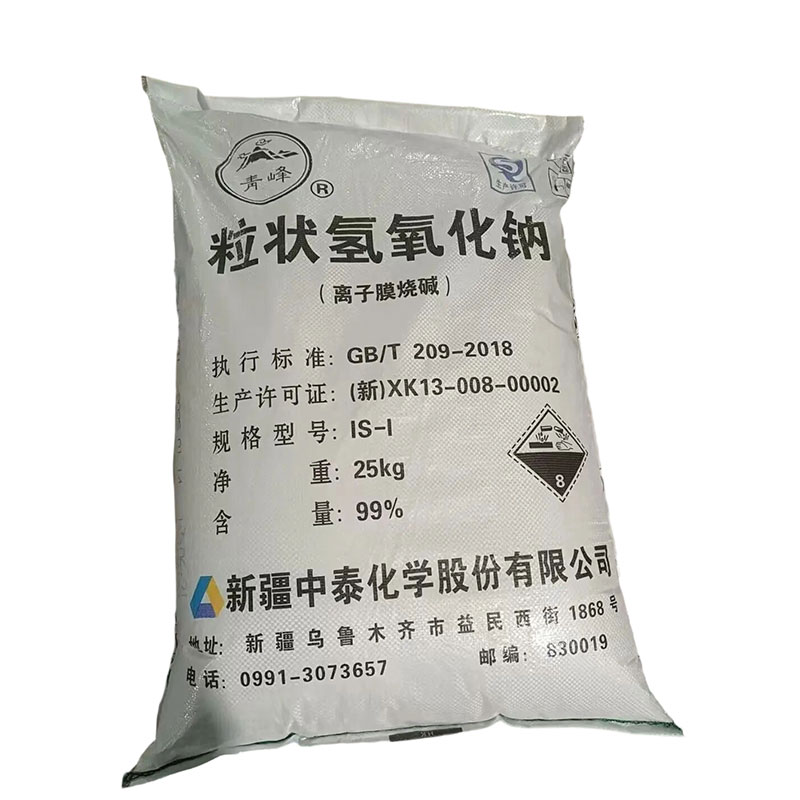
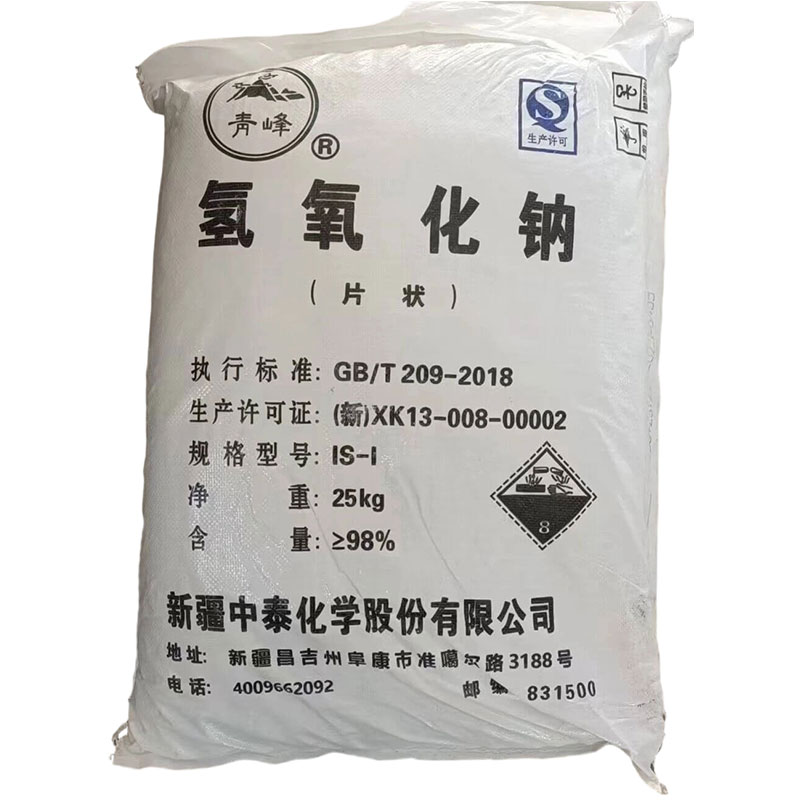
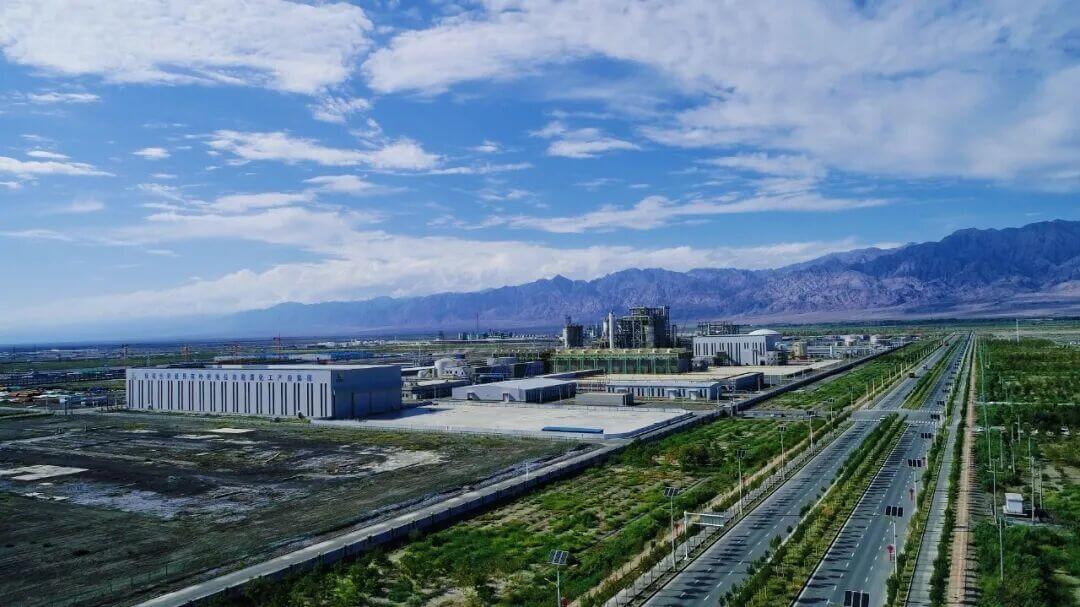
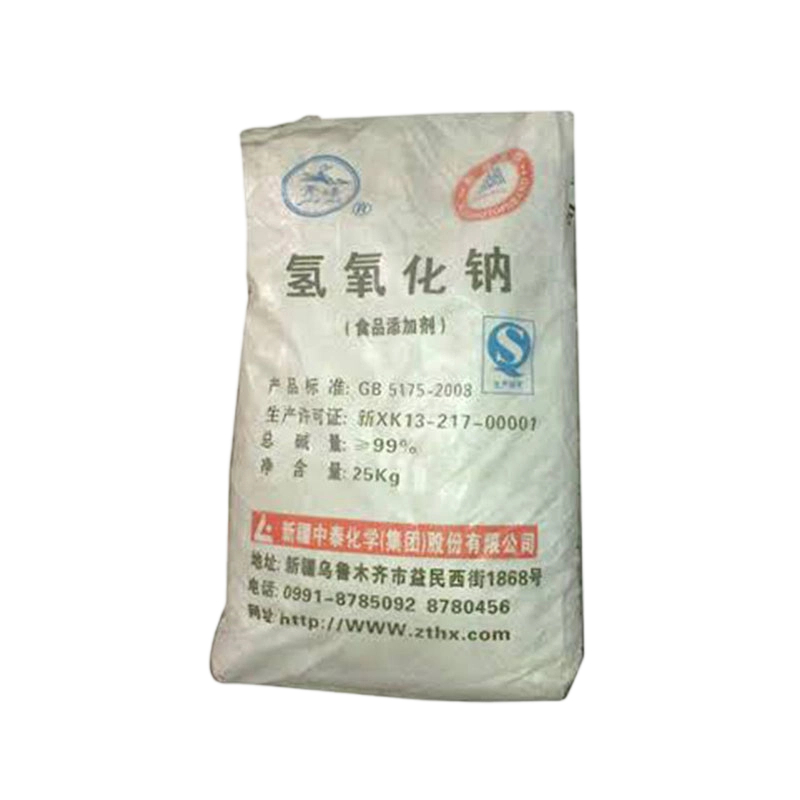
Endowed with abundant natural resources including coal, raw salt, limestone and cotton, Xinjiang takes the development of modern industries through resource conversion as a core path for high-quality regional economic growth. Xinjiang Zhongtai (Group) Co., Ltd. (referred to as Xinjiang Zhongtai Group), a first-class wholly state-owned enterprise directly supervised by the State-owned Assets Supervision and Administration Commission of Xinjiang Uygur Autonomous Region, has engaged in chemical and textile industries for over 60 years. Evolving from a small school-run factory, it has become the first local state-owned enterprise in Xinjiang to be listed on the Fortune Global 500. Through a complete circular industrial chain, green low-carbon transformation, industry-driven people’s wellbeing and opening-up to the outside world, it stands as a benchmark enterprise in the western chemical industry.Xinjiang Zhongtai Group traces its industrial roots back to Xinjiang Bayi Agricultural College Pesticide Factory founded in 1958, with clear and verifiable development milestones as follows:Renamed Xinjiang Caustic Soda Factory in 1962 and Xinjiang Chlor-Alkali Factory in 1995, laying the foundation for its chlor-alkali chemical business;Completed joint-stock reform in 2001 and established Xinjiang Zhongtai Chemical Co., Ltd.;Listed on the Shenzhen Stock Exchange in December 2006 (stock code: 002092);In July 2012, the People’s Government of Xinjiang Uygur Autonomous Region established Xinjiang Zhongtai (Group) Co., Ltd. centering on Zhongtai Chemical, with its headquarters located at No.39 Yangchenghu Road, Urumqi Economic and Technological Development Zone;Restructured into a state-owned capital investment company in May 2021, undertaking dual functions of capital operation and industrial development;Marking the 10th anniversary of the group’s establishment in 2022, it entered the Fortune Global 500 (ranking 434th), achieving a historic breakthrough for local state-owned enterprises in Xinjiang;Designated as a key industrial group by the State-owned Assets Supervision and Administration Commission of Xinjiang Uygur Autonomous Region in 2023, focusing on two core tracks: green chemical industry and ecological textile industry for continuous upgrading.By the end of 2025, the group boasted a registered capital of RMB 4.266 billion, annual operating revenue of RMB 87.339 billion, a workforce of over 42,000 employees and total assets exceeding RMB 100 billion. It serves as one of Xinjiang’s core investment and financing platforms for state-owned asset operation.Based on Xinjiang’s coal, salt and cotton resource endowments, the group has built a dual-core business system of "green chemical industry + ecological textile industry", supplemented by modern agriculture, modern logistics, new energy and financial services, forming a "2+2" industrial system. It has six domestic production bases in Urumqi, Changji, Turpan, Bayingolin, Aksu and Hotan, as well as an overseas industrial park in Tajikistan, creating an industrial matrix covering domestic regions and radiating Central Asia.2.1 Chlor-Alkali and New Material Chemical SectorAs the world’s largest manufacturer of PVC via acetylene process, the group has built a closed-loop circular chemical industrial chain with leading production capacities in the industry: an annual output of 2.6 million tons of polyvinyl chloride (PVC) resin, 1.8 million tons of ion-exchange membrane caustic soda, 3.6 million tons of calcium carbide, 300,000 tons of BDO, and 1.2 million tons of PTA, supported by a 2.8 million-kilowatt cogeneration power plant. Internal recycling of coal, electricity, salt and chemical products significantly cuts raw material and energy consumption costs.PVC and caustic soda products are widely applied in building pipes, architectural profiles, industrial manufacturing, pharmaceuticals, water treatment and other fields. They have long supplied upstream and downstream enterprises including Liansu Group domestically, and are exported in bulk to Central Asia, Southeast Asia and other markets. In 2025, the country’s first fully domestically-produced million-ton methanol plant was put into operation, with all core processes and equipment independently developed, filling the gap in demonstration projects for large-scale domestic coal chemical technology and completing the supply chain of fine chemical raw materials.2.2 Ecological Textile Industrial Chain SectorDeeply implementing Xinjiang’s strategy of boosting employment through textile and garment industries, the group has constructed a complete textile chain of "cotton pulp – viscose fiber – viscose yarn". It owns production capacities of 400,000 tons of cotton pulp, 1 million tons of viscose fiber and 4.8 million spindles, ranking among the country’s largest processors of viscose yarn and cotton. Leveraging Xinjiang’s premium long-staple cotton resources, it deeply integrates chemical raw materials with cotton processing to produce ecological textile fabrics and garment raw materials, driving the development of textile industries and employment in multiple southern Xinjiang regions.In 2014, the group partnered with XPCC to launch the Zhongtai New Silk Road Tajikistan Agricultural and Textile Industrial Park, a large overseas textile project invested by Chinese enterprises in Central Asia. Relying on the Belt and Road Initiative, it has built cross-border channels for cotton planting, spinning, textile production and trade, expanding space for international industrial cooperation.2.3 Modern Agriculture and Diversified Supporting IndustriesThrough the acquisition of Xinliang Group, the group has expanded into modern agriculture and animal husbandry, extending the industrial track of agricultural and sideline product processing. It has also built an integrated logistics system to carry out import and export trade of chemical and textile products by virtue of Xinjiang’s port location advantages. Its supporting financial division issued China’s first cotton-themed special corporate bond for rural revitalization in 2023, supporting increased income for cotton farmers and development of rural industries via capital instruments.Guided by the national "dual carbon" strategy, Xinjiang Zhongtai Group continuously advances green renovation of traditional coal chemical industries and launches large-scale wind and photovoltaic new energy projects to build a low-carbon production model featuring "renewable power + chemical industry".Million-kilowatt-scale renewable power replacement projects: The 1.15 million-kilowatt wind power project in Toksun is under construction, while the 500-megawatt photovoltaic project in Fukang has been connected to the grid. Coordinated scheduling of photovoltaic power and self-owned thermal power prioritizes the consumption of zero-carbon renewable energy. Upon full operation, the Fukang photovoltaic project will save 300,000 tons of raw coal annually and cut carbon dioxide emissions by 700,000 tons; the Toksun wind power project is expected to reduce carbon dioxide emissions by 1.93 million tons each year, substantially lowering fossil energy consumption in chemical production.Comprehensive environmental management has been implemented across all processes. The group has obtained four major system certifications: ISO9001 Quality Management, ISO14001 Environmental Management, Occupational Health and Safety Management, and Energy Management. It continuously promotes waste heat recovery, wastewater recycling and comprehensive utilization of solid waste, maintaining a high rate of water resource reuse in industrial parks.It has laid out emerging green energy tracks including green hydrogen, green ammonia and green methanol, planning to build a green chemical industrial city and explore new models for zero-carbon chemical production, facilitating the transformation of traditional high-energy-consuming industries into low-carbon new material industries.Adhering to independent research and development, the group has invested over RMB 1 billion in R&D expenses in more than a decade, built 52 scientific and technological innovation platforms including 20 national high-tech enterprises, completed over a hundred key research projects, and holds a large number of independent intellectual property patents, realizing domestic substitution of core chemical production technologies.Authoritative industry honors objectively record the enterprise’s development achievements:Winner of the 5th China Industry Award, the highest honor in China’s industrial sector;Consistently listed on Fortune China 500 and China Top 500 Petroleum and Chemical Enterprises, and became Xinjiang’s first state-owned enterprise on the Fortune Global 500 in 2022;Ranked 25th among Global Chemical Brands in 2021, with Zhongtai Chemical’s brand value reaching USD 1.2 billion;Recipient of multiple Science and Technology Progress Awards issued by Xinjiang Uygur Autonomous Region, with numerous coal chemical and textile new material technologies filling regional industrial gaps.Upholding the corporate mission of "enriching people, prospering Xinjiang and serving the country", Xinjiang Zhongtai Group relies on its full industrial chain to create jobs for people of all ethnic groups, providing stable employment for over 50,000 laborers. A large number of positions are allocated to counties and villages in southern Xinjiang to help local residents secure employment and income nearby.In terms of industrial assistance, the cotton industrial chain directly stabilizes income for millions of cotton farmers. It has built textile bases in Hotan and Aksu in southern Xinjiang to employ people of ethnic minorities, providing supporting facilities including dormitories, vocational training and bilingual education. Meanwhile, the group participates in local infrastructure construction, student aid, rural assistance and other public welfare programs, giving full play to the social value of large state-owned enterprises in stabilizing employment, raising residents’ income and consolidating border stability.At present, the group continues to advance the launch of three 100-billion-yuan industrial chain projects covering textile new materials, coal-based new materials and BDO, expanding its product portfolio around high-performance modified PVC materials, biodegradable new materials and fine chemical products as well as green textile raw materials.Externally, it deepens industrial collaboration with international chemical enterprises such as BASF and leading domestic upstream and downstream chemical manufacturers, and expands trade channels to Central Asia and overseas relying on platforms including the 9th China-Eurasia Expo. Internally, it carries out digital and intelligent transformation of traditional industrial parks, deploying AI production control and intelligent warehousing projects. Taking the Quality Management Year as an opportunity, it comprehensively improves product quality and market competitiveness.Rooted in Xinjiang’s resource and location advantages, Xinjiang Zhongtai Group builds on circular chemical and green textile industries while balancing industrial development, ecological protection, people’s employment and opening-up to the outside world. It keeps exploring a high-quality development path for state-owned enterprises in resource-rich regions, striving to build a modern industrial group that serves national strategies and drives regional growth.